Doors are more than simple entryways in a building. They contribute to security, privacy, design, and safety. In both residential and commercial construction, choosing the right type of door can make a significant difference in functionality and long-term performance.
Two types of doors that are widely used today are prehung doors and fire rated doors. While they serve different purposes, both play an important role in modern construction projects. Prehung doors are valued for their easy installation and convenience, while fire rated doors are specifically engineered to provide protection during fire emergencies.
Understanding the differences between these doors, as well as their benefits and applications, can help property owners, builders, and contractors make the best choice for their projects.
In this guide, we’ll explore the features, advantages, and common uses of prehung doors and fire rated doors, along with the different styles available on the market today.
Understanding Prehung Doors
A prehung door is a complete door unit that comes already mounted within its own frame. The hinges are attached, and the door is properly aligned within the frame before installation. This means the installer simply needs to place the unit into the wall opening and secure it in position.
Because everything is pre-assembled, prehung doors eliminate much of the measuring and alignment work required when installing traditional slab doors. This makes them one of the most convenient door solutions for both professional builders and DIY homeowners.
Prehung doors are commonly used in new construction projects or major renovations where door frames are being replaced or installed for the first time.
Popular Styles of Prehung Doors
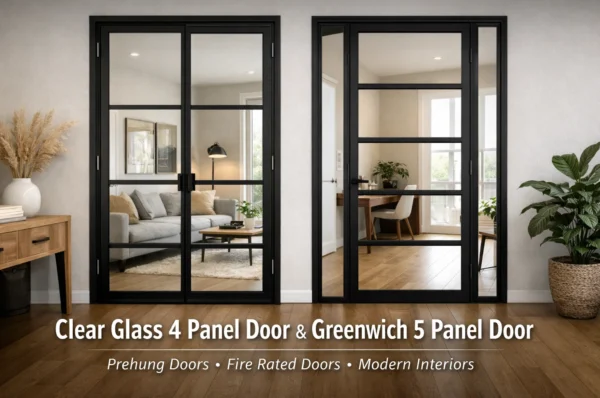
Modern interiors demand doors that are both functional and visually appealing. Fortunately, prehung doors are available in many styles and designs.
Some commonly used options include:
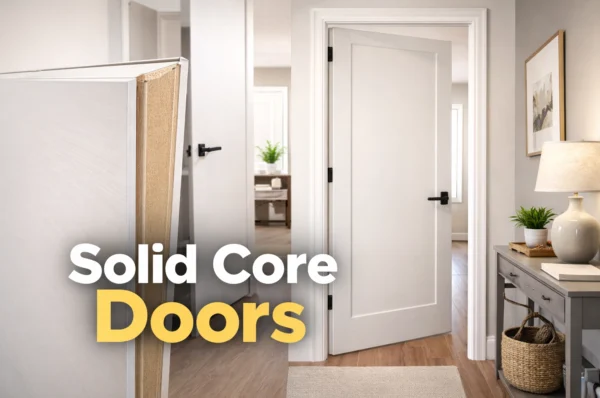
These door styles provide homeowners with flexibility when designing interior spaces. For example, frosted glass panels can allow natural light to pass between rooms, while solid core doors offer improved sound insulation.
Advantages of Prehung Doors
Simple and Quick Installation
One of the main reasons builders choose prehung doors is the simplicity of installation. Since the door is already attached to the frame, installers do not need to spend extra time aligning hinges or adjusting the frame.
Proper Door Alignment
With prehung doors, the manufacturer ensures the hinges and frame are perfectly aligned. This reduces the risk of uneven doors that stick or fail to close properly.
Ideal for New Construction
When walls are newly framed, installing prehung doors is much easier than trying to fit slab doors into unfinished openings.
Consistent Quality
Because the door unit is assembled in a controlled manufacturing environment, prehung doors often provide better consistency and reliability compared to field-assembled doors.
Variety of Designs
From modern shaker styles to glass panel doors, prehung doors are available in a wide variety of designs that suit different interior aesthetics.
What Are Fire Rated Doors?
While prehung doors focus on convenience and installation efficiency, fire rated doors serve a completely different purpose — safety.
A fire rated door is specially constructed to resist fire and high temperatures for a specific period of time. These doors help slow down the spread of flames and smoke between different sections of a building.
During a fire emergency, this additional time can be critical for allowing occupants to evacuate safely and for emergency responders to control the fire.
Fire rated doors are usually tested and certified according to fire safety standards. Their rating indicates how long the door can withstand fire exposure before failure.
Types of Fire Rated Doors
Different buildings require different levels of fire protection. Because of this, fire rated doors are manufactured in various designs and configurations.
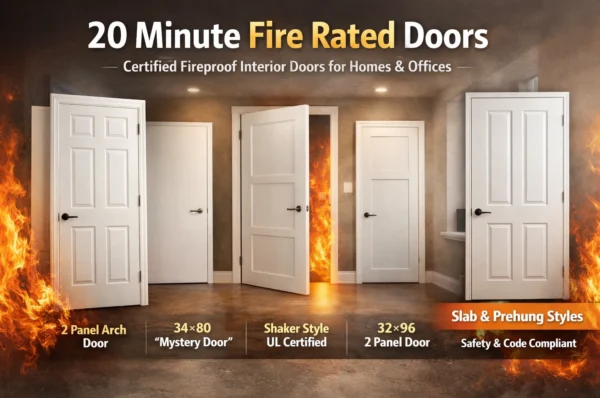
Some commonly available options include:
-
Prehung 20 minutes Fire Rated Interior Door – Primed Conmore 5 panel jeldwen
-
Slab Door Primed Colonist 6 panel – 20 minutes Fire Rated Door
Each of these doors is designed to meet specific fire resistance requirements depending on the building design and local safety codes.
Benefits of Fire Rated Doors
Improved Building Safety
The most important benefit of fire rated doors is their ability to slow down the spread of fire. By containing flames within certain areas, they help reduce the risk to occupants.
Compliance with Safety Regulations
Many building codes require fire rated doors in particular locations such as stairwells, utility rooms, and corridors.
Smoke Control
In addition to blocking flames, fire rated doors can help prevent smoke from spreading throughout a building.
Property Damage Reduction
Containing a fire within a smaller area can significantly reduce overall damage to a property.
Increased Evacuation Time
By slowing the spread of fire, fire rated doors provide valuable time for building occupants to safely evacuate.
Where Fire Rated Doors Are Commonly Used
Because of their safety function, fire rated doors are often installed in areas where fire containment is critical.
Common locations include:
-
Apartment buildings
-
Hotels
-
Hospitals
-
Educational institutions
-
Commercial offices
-
Industrial facilities
-
Staircases and emergency exits
-
Electrical and mechanical rooms
In these environments, fire rated doors act as an important safety barrier.
Can Prehung Doors Also Be Fire Rated?
Yes, many doors combine both features. A prehung fire rated door provides the convenience of pre-installation while also meeting fire safety standards.
Examples include:
-
Pre hung 2 Panel Shaker Style Fire Rated
-
Prehung 2 Panel Arch Fire Rated Door
-
Prehung 20 minutes Fire Rated Interior Door – Primed Conmore 5 panel jeldwen
-
Prehung Colonist 6 panel door
These doors are commonly used in multi-unit housing, offices, and commercial properties where both safety and installation efficiency are important.
Comparing Prehung Doors and Fire Rated Doors
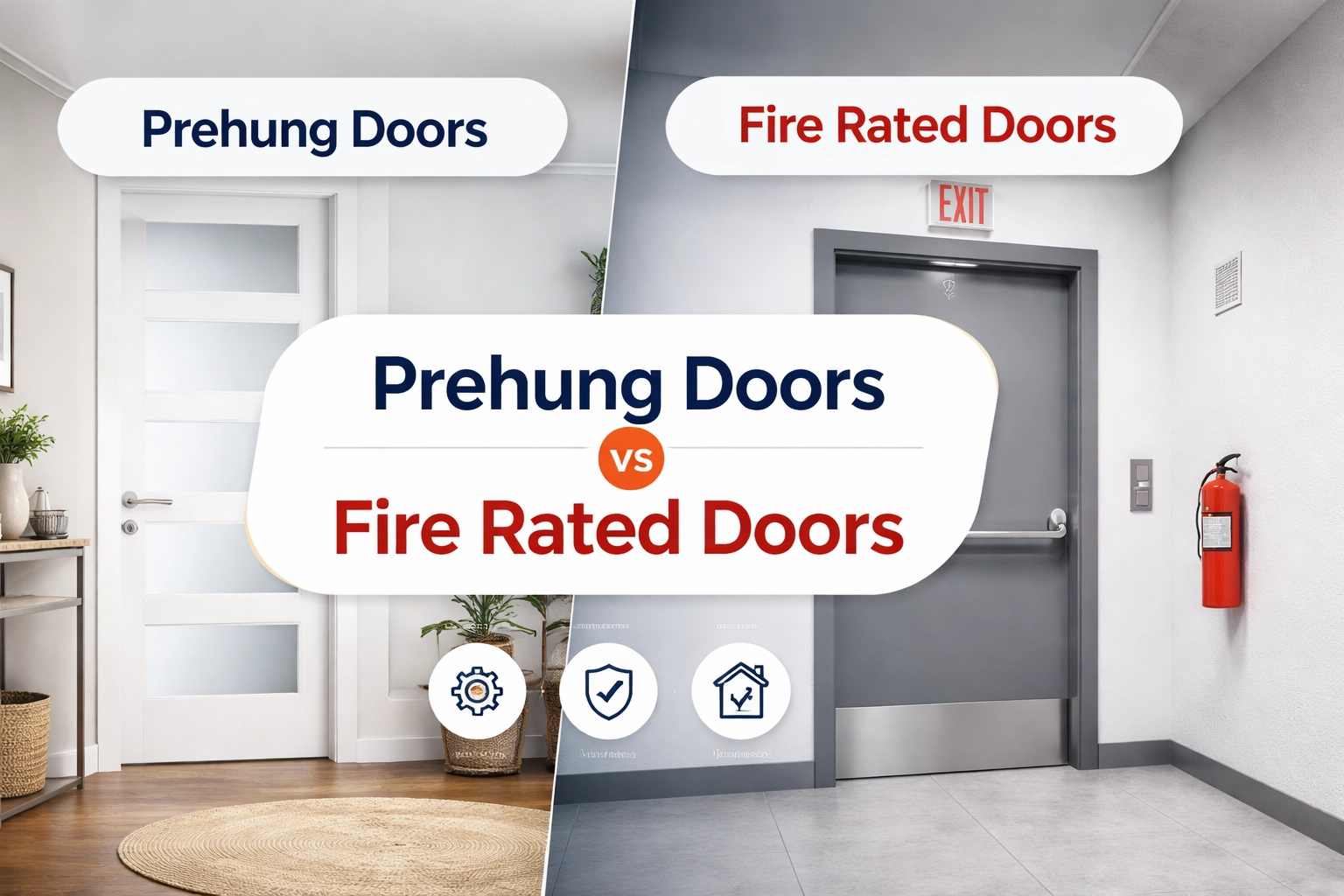
Although both types of doors are commonly used in construction, they serve different purposes.
Prehung doors are primarily designed to simplify the installation process. They are especially useful in new construction projects where frames need to be installed quickly and efficiently.
Fire rated doors, on the other hand, are specifically designed to improve safety by resisting fire and preventing it from spreading rapidly.
In many buildings, both door types are used together depending on the location and safety requirements.
Choosing the Right Door for Your Project
Selecting the best door depends on several factors.
For residential interiors, prehung doors are often the most practical option due to their convenience and wide variety of styles.
For commercial buildings or areas that must comply with fire safety regulations, fire rated doors are essential.
Builders often combine both door types within the same structure to balance functionality, design, and safety.
Final Thoughts
Both prehung doors and fire rated doors play an important role in modern construction. Prehung doors provide installation convenience and design flexibility, making them ideal for residential interiors and renovation projects.
Fire rated doors, however, are essential for protecting buildings and occupants during fire emergencies. Their ability to contain flames and smoke can significantly improve overall building safety.
By understanding the unique benefits of these doors, property owners and builders can make informed decisions when selecting doors for their projects.
Choosing the right combination of prehung doors and fire rated doors ensures a building that is not only stylish and functional but also safe and compliant with modern construction standards.